Oil Analysis Services South Africa | Industrial Oil Testing & Condition Monitoring Specialist
Professional Oil Sampling and Lubricant Condition Monitoring for Industrial Machinery
Unexpected machinery failures can bring production to a halt, increase maintenance costs and disrupt operations. In many cases, developing problems leave evidence in the lubricating oil long before a major mechanical failure occurs.
Rhulani Condition Monitoring (RCM) provides professional oil analysis services in South Africa, helping industrial maintenance teams assess lubricant condition, identify possible machinery wear and make informed decisions about equipment maintenance.
Our service includes machinery oil sampling and laboratory analysis, providing valuable information about contamination, oil degradation and the condition of lubricated components.
Contact RCM if you require professional oil analysis or machinery vibration analysis.
Whether you’re responsible for a manufacturing plant, mining operation, processing facility or heavy industrial equipment, our oil analysis support can form part of a structured preventive and predictive maintenance programme.
Get Expert Oil Analysis Support
Contact RCM today to discuss your machinery requirements.
Industrial Oil Analysis Services for Improved Machinery Reliability
Industrial machinery depends on effective lubrication to operate reliably. Gearboxes, bearings and other mechanical components are exposed to friction, pressure, heat and environmental contamination. Over time, these operating conditions can affect lubricant performance and accelerate internal wear.
Oil analysis provides a practical method of assessing what’s happening inside lubricated machinery without requiring unnecessary disassembly.
RCM assists businesses with collecting representative oil samples and arranging laboratory testing. The findings provide maintenance managers and reliability engineers with information that can be used to assess equipment condition, investigate developing problems and determine appropriate maintenance actions.
Rather than replacing lubricants solely according to fixed schedules, maintenance teams can use oil condition information alongside equipment operating hours, manufacturer recommendations and machinery condition data to make better maintenance decisions.
What Can Oil Analysis Detect in Industrial Machinery?
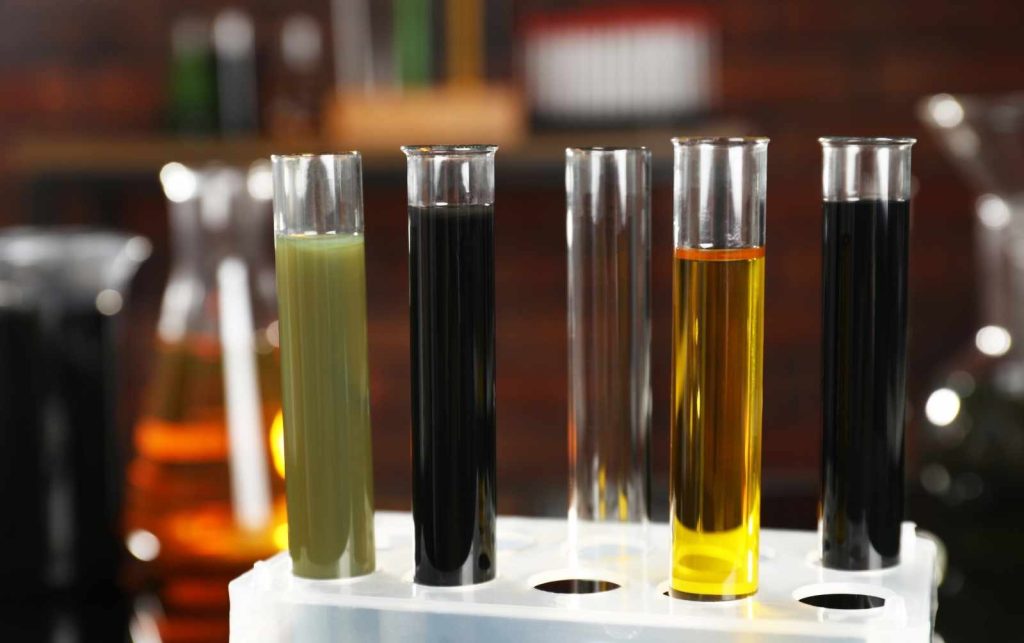
Oil carries valuable information about the condition of the equipment it lubricates. Laboratory testing can reveal changes in lubricant properties, contamination and potential indicators of abnormal mechanical wear.
Depending on the equipment, lubricant and laboratory testing requirements, industrial oil analysis may identify:
- Metal wear particles: Indicators of possible wear affecting bearings, gears and other internal components.
- Water contamination: Moisture entering lubrication systems through seals, condensation or environmental exposure.
- Dirt and particle contamination: Foreign material that can accelerate abrasive wear and interfere with lubrication.
- Changes in oil viscosity: Lubricant thinning or thickening that can reduce its effectiveness under operating conditions.
- Lubricant degradation: Changes associated with oxidation, thermal stress and extended service.
- Abnormal oil cleanliness: Particle contamination levels that may indicate filtration or contamination-control problems.
- Lubrication-related concerns: Conditions that could contribute to friction, component damage or reduced equipment reliability.
The significance of each result depends on the equipment type, lubricant specification, operating environment and previous sample history. An isolated abnormal result may require further investigation before maintenance action is determined.
Professional Oil Sampling and Laboratory Testing
Accurate Oil Sampling for Reliable Results
The quality of an oil analysis programme begins with how the sample is collected. A sample taken from an unsuitable location, contaminated during handling or incorrectly identified may produce results that don’t accurately reflect the lubricant’s condition inside the machinery.
RCM provides oil sampling support for industrial equipment, collecting samples for submission to a laboratory.
Sampling procedures should account for the machine’s operating conditions, appropriate sampling locations and contamination prevention. Consistent sampling methods are particularly valuable when comparing results over time.
This approach helps maintenance teams establish a more reliable picture of lubricant condition and machinery performance.
Laboratory Analysis of Oil Condition and Equipment Wear
Following collection, oil samples are submitted for laboratory analysis.
The appropriate testing requirements depend on the machinery, oil type and maintenance objectives. Tests may include viscosity measurement, contamination assessment, wear-metal analysis and evaluation of other lubricant properties.
For example, an industrial gearbox may require testing focused on wear debris and lubricant deterioration, while a hydraulic system may place greater emphasis on fluid cleanliness and contamination control.
Results can help determine whether an oil-related problem requires investigation, filtration, lubricant replacement or additional mechanical assessment.
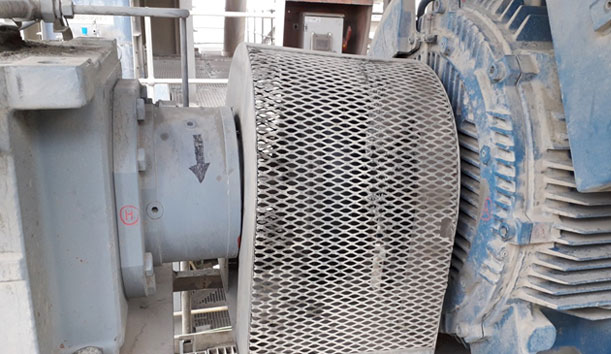
Oil Analysis for Gearboxes, Bearings and Industrial Equipment
Gearbox Oil Analysis and Wear Detection
Industrial gearboxes operate under demanding mechanical loads and rely on suitable lubricants to protect gears, shafts and bearings.
Contaminated or degraded gearbox oil can contribute to accelerated wear and reduced equipment performance.
Gearbox oil analysis helps identify changes in lubricant condition and potential evidence of abnormal wear. These findings can be particularly valuable for critical gearboxes in conveyors, processing machinery, manufacturing equipment and industrial drive systems.
Bearing Lubrication and Oil Condition Monitoring
Bearings are essential components in rotating machinery. Inadequate lubrication, contamination and excessive operating temperatures can contribute to premature bearing damage.
Oil analysis can provide evidence of lubrication-related concerns in oil-lubricated bearing systems, supporting decisions about maintenance and further inspection.
When used alongside vibration monitoring, it can provide a more complete assessment of bearing and rotating equipment condition.
Lubricated Plant Equipment and Hydraulic Systems
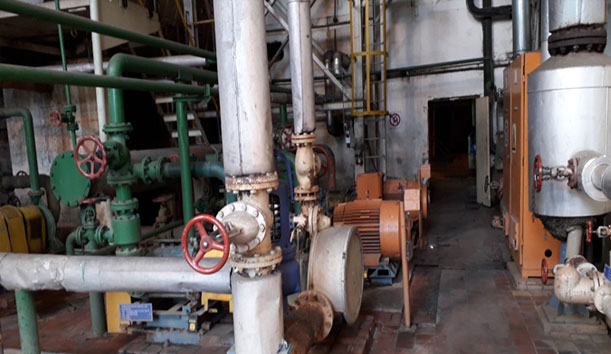
Oil condition monitoring can also benefit other machinery fitted with oil lubrication or hydraulic systems.
Applications may include industrial pumps, compressors, mechanical drive systems and production equipment where lubricant performance influences reliability.
Hydraulic oil analysis, where applicable, can help assess fluid contamination and cleanliness. Test requirements should be selected according to equipment specifications and operational conditions.
Oil Analysis Services for Mining, Manufacturing and Industrial Operations
RCM’s oil analysis support is relevant to industries where machinery breakdowns can affect production, maintenance budgets and operational performance.
Mining and mineral processing facilities depend on gearboxes, conveyors, crushers and other mechanically driven equipment. Oil condition monitoring can assist maintenance teams in identifying lubrication-related concerns affecting critical machinery.
Manufacturing plants face similar challenges. Production lines often rely on multiple interconnected systems, meaning the failure of a single gearbox or drive component can interrupt an entire process.
Oil analysis can also support maintenance requirements in power generation, heavy engineering, steel processing, cement production, chemical processing and other industrial environments.
Our services are particularly relevant to:
- Maintenance managers responsible for reducing unplanned equipment downtime.
- Reliability engineers developing condition-based maintenance programmes.
- Plant engineers overseeing critical production machinery and mechanical systems.
- Asset managers focused on equipment lifespan and maintenance expenditure.
- Mechanical maintenance teams investigating abnormal wear and lubrication problems.
- Industrial operations managers seeking greater production reliability and better maintenance planning.

For these professionals, oil analysis provides supporting evidence for maintenance decisions rather than relying exclusively on fixed servicing intervals or waiting for visible equipment deterioration.
Oil Analysis and Predictive Maintenance Programmes
Oil analysis becomes particularly valuable when performed at appropriate intervals and incorporated into an ongoing machinery condition monitoring programme.
A single sample provides information about oil condition at a particular point in time. Repeated sampling allows maintenance teams to compare results, identify developing patterns and assess whether lubricant or equipment condition is changing.
For example, increasing wear-metal concentrations over successive samples may indicate developing mechanical wear. A rising particle count could suggest contamination entering the system or reduced filtration effectiveness.
These findings don’t automatically confirm a specific mechanical fault. However, they can justify closer inspection and help maintenance teams prioritise equipment that requires attention.
Monitoring intervals should reflect equipment criticality, operating conditions, lubricant type and previous analysis results.
For production facilities operating continuously or under demanding loads, an appropriately structured oil analysis programme can provide an additional level of equipment condition information.
Combining Oil Analysis with Vibration Monitoring and Thermography
Oil analysis provides information about lubricant condition and possible internal wear, but it shouldn’t be the only method used to assess machinery health.
RCM offers complementary condition monitoring services that allow maintenance teams to investigate equipment performance from different technical perspectives.
Our vibration monitoring services can assist with identifying mechanical vibration abnormalities associated with rotating machinery. Oil analysis may provide supporting evidence of wear or lubrication concerns affecting those components.
Similarly, thermography monitoring helps identify abnormal surface temperature patterns that may indicate developing operational problems.
RCM also provides machinery monitoring, electrical monitoring, laser alignment and rotor balancing services.
Combining suitable monitoring methods can help maintenance teams identify potential faults, assess their severity and determine whether corrective maintenance is necessary.
The objective is to make maintenance decisions based on equipment condition and operational risk, helping businesses reduce avoidable shutdowns and protect critical machinery.
Do you have any questions?
Send us a message
Practical Support for Better Maintenance Decisions
Rotor Balancing gives maintenance teams early warning of developing faults. With accurate testing and expert analysis, businesses can plan repairs, reduce downtime and protect valuable machinery.
RCM provides practical rotor balancing support for clients who need clear answers, reliable fault identification and professional guidance on machinery rotation issues.
Oil Analysis Services Across South Africa
RCM provides condition monitoring services and support to industrial customers, with oil analysis enquiries welcomed from businesses across South Africa.
We understand the maintenance challenges faced by operations in major industrial and mining regions, including Johannesburg, Pretoria, the East Rand, Vaal Triangle and the wider Gauteng region.
Our services are also relevant to businesses operating in Mpumalanga industrial and mining regions, North West mining areas, Limpopo, the Free State and other industrial centres.
Companies in Durban and KwaZulu–Natal, Cape Town and the Western Cape, Gqeberha and the Eastern Cape can also contact RCM to discuss their oil sampling and condition monitoring requirements.
Service arrangements, site access and sampling requirements can be discussed according to the location, equipment and scope of work.
Why Choose RCM for Oil Analysis and Condition Monitoring?
Oil analysis is most useful when the information contributes to practical maintenance decisions.
RCM approaches oil sampling as part of machinery condition monitoring, rather than treating laboratory testing as an isolated maintenance activity.
Our broader experience in machinery vibration monitoring and mechanical condition assessment allows oil analysis findings to be considered alongside other information about equipment operation.
For maintenance teams, this means oil condition results can help support decisions about further inspections, machinery monitoring and planned maintenance activities.
Whether you require oil sampling for a critical industrial gearbox or want to incorporate lubricant analysis into an existing condition monitoring programme, RCM can discuss your equipment requirements and appropriate next steps.
Request Professional Oil Analysis Services in South Africa
Protecting industrial equipment begins with having reliable information about its condition.
If you’re experiencing repeated lubrication problems, unexplained component wear or want greater visibility into the condition of critical machinery, contact Rhulani Condition Monitoring.
Our team can discuss your machinery, oil sampling requirements and laboratory analysis needs to help you determine a suitable approach.
Contact RCM to enquire about oil analysis services, machinery condition monitoring and industrial maintenance support.
Frequently Asked Questions About Oil Analysis Services
Oil sampling frequency depends on machinery criticality, operating conditions, lubricant type and manufacturer recommendations. Equipment operating under heavy loads or in contaminated environments may require more frequent testing. An initial assessment can help determine suitable intervals.
An oil change replaces the lubricant, while oil analysis assesses its condition and provides information about possible equipment wear or contamination. Analysis can help determine whether an oil change, further investigation or another maintenance action is appropriate.
Oil analysis can identify wear particles, contamination and lubricant deterioration that may indicate developing problems. However, it cannot independently diagnose every mechanical fault. Vibration monitoring and other inspection methods may be necessary to confirm a suspected problem.
Common laboratory tests include viscosity measurement, wear-metal analysis, contamination assessment and particle counting. Other tests may evaluate water content, oxidation or oil acidity. The selected tests depend on the lubricant, equipment and maintenance requirements.
Yes. Older equipment can benefit from oil analysis, particularly where internal component wear and lubricant contamination are concerns. Consistent sampling and trending can help maintenance teams assess changes in condition and determine when additional inspections are justified.
Oil analysis can help identify developing lubrication and wear concerns before they cause more extensive damage. It may also support better oil replacement decisions and planned maintenance. Actual savings depend on how effectively findings are interpreted and corrective actions are implemented.
RCM provides machinery oil sampling support and submits collected samples for laboratory analysis. The resulting information can be used to assess lubricant condition, identify possible machinery wear and support maintenance decisions.