Oil Analysis
Oil Analysis for Machinery Condition Monitoring
Oil analysis is an important part of machinery condition monitoring. It helps maintenance teams understand what is happening inside critical equipment without having to strip the machine unnecessarily. In the same way that a blood test can give insight into a person’s health, oil analysis can give valuable information about the condition of a machine.
Rhulani Condition Monitoring (RCM) provides oil sampling support for customers as part of a broader condition monitoring programme. We take oil samples from machinery such as gearboxes, bearings and other lubricated components, then send the samples to a laboratory for analysis. The results help identify oil condition, contamination levels and possible signs of internal machine wear.

What Is Oil Analysis?
Oil analysis refers to taking a representative oil sample from a machine and performing specific laboratory tests on that sample. These tests can include viscosity testing, oil contamination checks and the analysis of other important oil properties.
The purpose is to evaluate both the condition of the oil and the condition of the machine. Oil is more than just a lubricant. It carries information about the operating environment inside the equipment. If the oil is contaminated, degraded or showing signs of abnormal wear particles, it may point to a developing problem.
This makes oil analysis a useful tool for identifying issues before they result in major failure, downtime or costly repairs.
Why Oil Analysis Matters
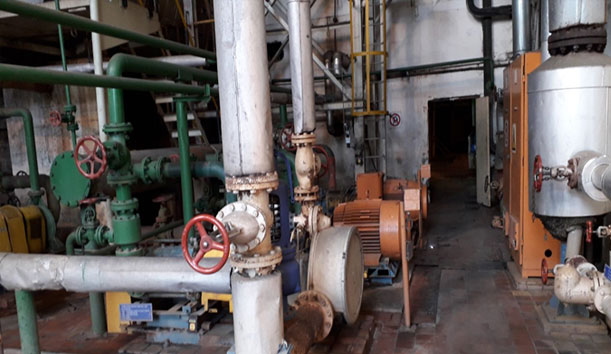
Many machines operate under demanding conditions. Gearboxes, bearings and rotating components rely on clean, suitable oil to reduce friction, manage heat and protect internal surfaces. When oil quality deteriorates, the machine may be exposed to increased wear and higher risk of failure.
Oil analysis helps maintenance teams detect early warning signs such as:
- Oil contamination
- Incorrect or deteriorated viscosity
- Water ingress
- Dirt, dust or foreign particles
- Metal wear particles
- Lubricant degradation
- Possible internal component wear
- Poor lubrication conditions
- Overheating-related oil breakdown
By identifying these concerns early, maintenance teams can plan corrective action before a machine fails unexpectedly.
Do you have any questions?
Send us a message
Oil Sampling for Customers
RCM performs oil sampling for customers and sends the samples to a laboratory for analysis. Correct sampling is important because the sample must accurately represent the oil condition inside the machine.
A poor sample can lead to misleading results, while a properly taken sample gives the laboratory a better foundation for accurate testing. RCM assists with this process so that customers can benefit from meaningful oil analysis as part of their maintenance and reliability strategy.
Once the laboratory analysis has been completed, the results can be used to support better maintenance decisions and identify whether further investigation may be required.
Supporting Gearboxes, Bearings and Lubricated Machinery
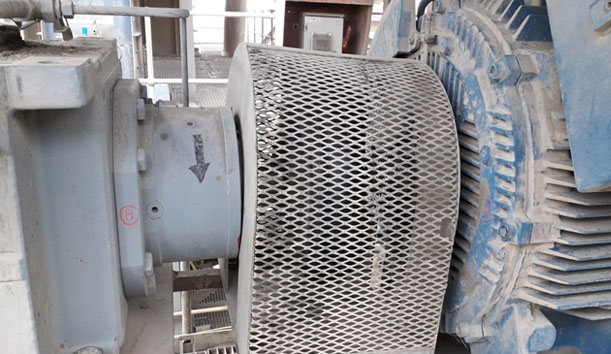
Oil analysis is especially useful for equipment where lubrication is critical to performance and lifespan. This includes gearboxes, bearings and other machinery components that operate with oil lubrication.
For gearboxes, oil analysis can help detect contamination, lubricant degradation and possible wear inside the gearbox. For bearings, it can help identify lubrication concerns or signs of abnormal wear that may need further investigation.
This information is valuable because internal faults are not always visible from the outside. Oil analysis gives maintenance teams another way to assess what may be happening inside the machine.
Understanding Machine Health Through Oil
Oil carries evidence of what is happening inside a machine. If there is wear, contamination or oil degradation, the oil sample may reveal it. This makes oil analysis one of the most practical methods for monitoring lubricated equipment.
RCM helps customers by handling the sampling process and supporting the use of laboratory results as part of condition monitoring. The information gained from oil analysis can assist maintenance teams in deciding whether equipment can continue operating, whether the oil requires attention, or whether a machine needs further inspection.
Oil Analysis as Part of RCM’s Condition Monitoring Services
Oil analysis is one of the activities within RCM’s machinery condition monitoring services. It works alongside other diagnostic methods to help identify developing faults, improve reliability and support maintenance planning.
By combining oil analysis with vibration analysis, thermography and other monitoring techniques, customers can gain a better understanding of their equipment condition and reduce the risk of unexpected failure.
Contact RCM for Oil Analysis Support
If your machinery relies on oil lubrication, regular oil analysis can help you understand the condition of both the lubricant and the machine.
Contact Rhulani Condition Monitoring to discuss oil sampling, laboratory analysis and condition monitoring support for gearboxes, bearings and other critical machinery.